Impetigo in Children: Symptoms, Treatment and When to See a Doctor in Singapore

You notice a small red sore near your child's nose or mouth. Within a day or two, it has crusted over with a yellowish, honey-coloured scab. Sound familiar? This is one of the most telltale signs of impetigo — a common and highly contagious skin infection that affects children, particularly those in school or childcare settings.
The good news is that impetigo in children in Singapore is usually mild and responds well to treatment. But because it spreads easily between children, it is important to recognise it early, treat it promptly, and take steps to prevent it from spreading further.

What Is Impetigo?
Impetigo is a bacterial skin infection caused most commonly by Staphylococcus aureus or Streptococcus pyogenes. It affects the top layers of the skin and most often appears on the face — particularly around the nose and mouth — as well as on the hands, neck, and diaper area in younger children.
There are two main types:
Non-bullous impetigo — the most common type, which starts as red sores that quickly burst and leave behind a crusty, honey-coloured scab
Bullous impetigo — less common, causes larger fluid-filled blisters that burst and leave a raw, red area of skin
What Does Impetigo Look Like? Symptoms and Stages
Impetigo in children typically progresses through the following stages:
Small red or pimple-like sores appear, often around the nose, mouth, or on exposed skin
The sores quickly fill with fluid and burst
A distinctive honey-coloured or golden-brown crust forms over the area
The sores may spread to nearby skin if touched or scratched
Impetigo is usually not painful, though the affected area may be itchy. Most children do not feel particularly unwell, and fever is uncommon. If your child develops a fever alongside a skin infection, see a doctor promptly.
How Does Impetigo Spread in Children?
Impetigo is highly contagious. It spreads through:
Direct skin-to-skin contact with an infected person
Touching contaminated surfaces, towels, clothing, or bedding
Scratching the sores and then touching other parts of the body or other people
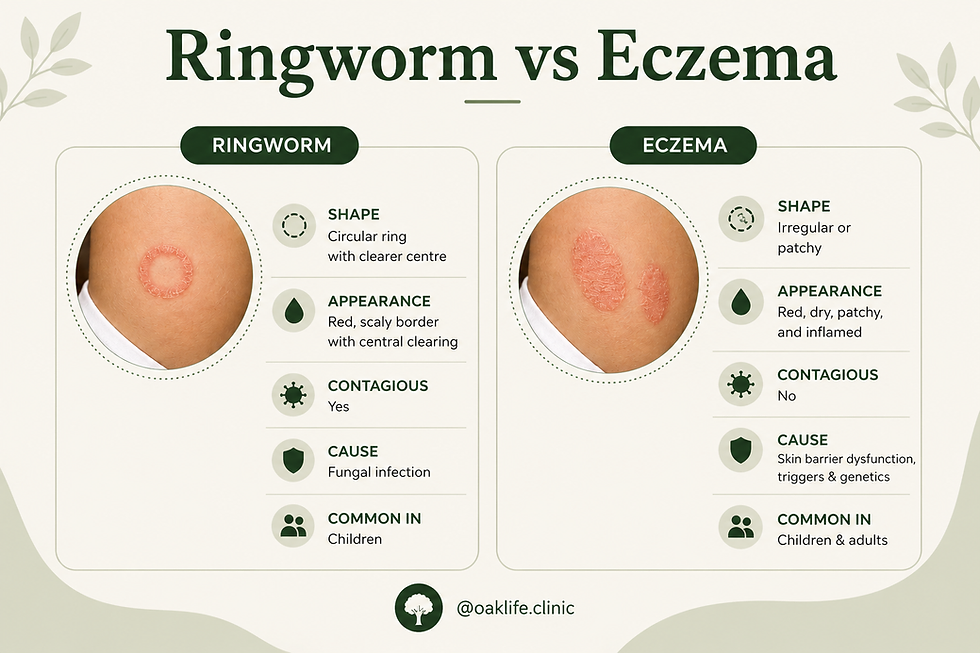
Children with eczema are more prone to developing impetigo because broken or inflamed skin provides an easy entry point for bacteria. Cuts, insect bites, and other minor skin injuries can also become a starting point for infection.
Read Also: Dealing with eczema in children: Doctor's Advice for Parents in Singapore
When Should I Take My Child to the Doctor?

You should bring your child to see a GP if:
You notice crusty, honey-coloured sores on your child's skin that are spreading
The sores are not improving after 2 to 3 days
Your child develops a fever
The affected area becomes increasingly red, swollen, warm, or painful — which may suggest a deeper infection
Your child has eczema or a weakened immune system and develops a skin infection
Multiple children in the household are affected
How to Treat Impetigo in Children in Singapore?
Treatment depends on how widespread the infection is:
For mild or localised impetigo:
Topical antibiotic cream (such as mupirocin) applied directly to the sores is usually effective
Gently clean the affected area with mild soap and water before applying the cream
For more widespread or severe impetigo:
Oral antibiotics will be prescribed
Always complete the full course even if the sores appear to have healed
Most cases of impetigo clear up within 7 to 10 days with appropriate treatment. Do not try to burst or pick at the sores, as this can spread the infection further.
Can My Child Go to School with Impetigo?
No — your child should be kept home from school or childcare until:
They have been on antibiotic treatment for at least 24 to 48 hours, and
All sores are crusted over and no longer weeping
Inform your child's school or childcare centre so they can monitor other children and advise parents accordingly. Cover any remaining sores with a clean dressing before your child returns.
How to Prevent Impetigo from Spreading at Home
Wash your child's hands frequently, especially before meals and after touching the affected area
Keep nails short to reduce scratching
Do not share towels, face cloths, clothing, or bedding until the infection has fully cleared
Wash any items that have come into contact with the sores in hot water
Cover sores with a clean, non-stick dressing to reduce the risk of spreading
Avoid close contact with newborns or people with weakened immune systems until the infection has healed
Frequently Asked Questions About Impetigo in Children
Q. Is impetigo the same as a cold sore?
A. No. Cold sores are caused by the herpes simplex virus and typically appear as small blisters on or around the lips. Impetigo is a bacterial skin infection that leaves honey-coloured crusts and can appear anywhere on the face or body. They can look similar in early stages, so it is best to see a doctor for a proper diagnosis.
Q. Can impetigo go away on its own without treatment?
A. Very mild cases can resolve on their own, but treatment is strongly recommended. Without antibiotics, impetigo can spread to other parts of the body and to other people, and in rare cases can lead to complications. Most cases clear up much faster with treatment.
Q. How did my child get impetigo if they have not been near anyone who is sick?
A. Impetigo can develop from bacteria already present on the skin, particularly if there is a small cut, scratch, insect bite, or patch of eczema that gives bacteria an entry point. Your child does not always need to have been in contact with another infected child.
Q. Can impetigo spread to other parts of the body?
A. Yes. Scratching the sores and then touching other areas of the body can spread the infection. This is why it is important to keep nails short, discourage scratching, and cover the sores with a dressing.
Q. Can my child get impetigo more than once?
A. Yes. Impetigo does not provide immunity. Children who have had it once can get it again, particularly if they have eczema or skin that is frequently broken or irritated. Good hygiene and managing eczema well can help reduce the risk.
Q. Should I be worried if other children in my child's class have impetigo?
A. It is worth being vigilant. Check your child's skin regularly and encourage good handwashing. If your child develops any suspicious sores, bring them to see a doctor early so treatment can start promptly before it spreads further.
When in Doubt, Get It Checked Early
Impetigo is common, treatable, and nothing to panic about — but the earlier it is caught, the easier it is to manage and the less likely it is to spread to siblings, classmates, or other family members. If you notice crusty or weeping sores on your child's skin, do not wait.
"Impetigo is one of those conditions that parents often mistake for eczema or even an allergic reaction, especially in its early stages. The key thing I look for is that characteristic honey-coloured crust — once you know what it looks like, it is fairly distinctive. What I always tell parents is not to wait too long. A quick check in the clinic means we can confirm the diagnosis, start the right treatment, and give you clear guidance on when it is safe for your child to return to school. For children with existing eczema, I would always recommend coming in sooner rather than later, as they are at higher risk of the infection spreading or becoming more severe." Dr Daniel Lim, Senior Family Physician & Graduate Diploma in Family Practice Dermatology